Role
Lead Product Designer
Scope
Website • Broker Platform • Smart Home App
Focus
Ecosystem Design • Luxury UX • Cross-Platform Consistency
Impact
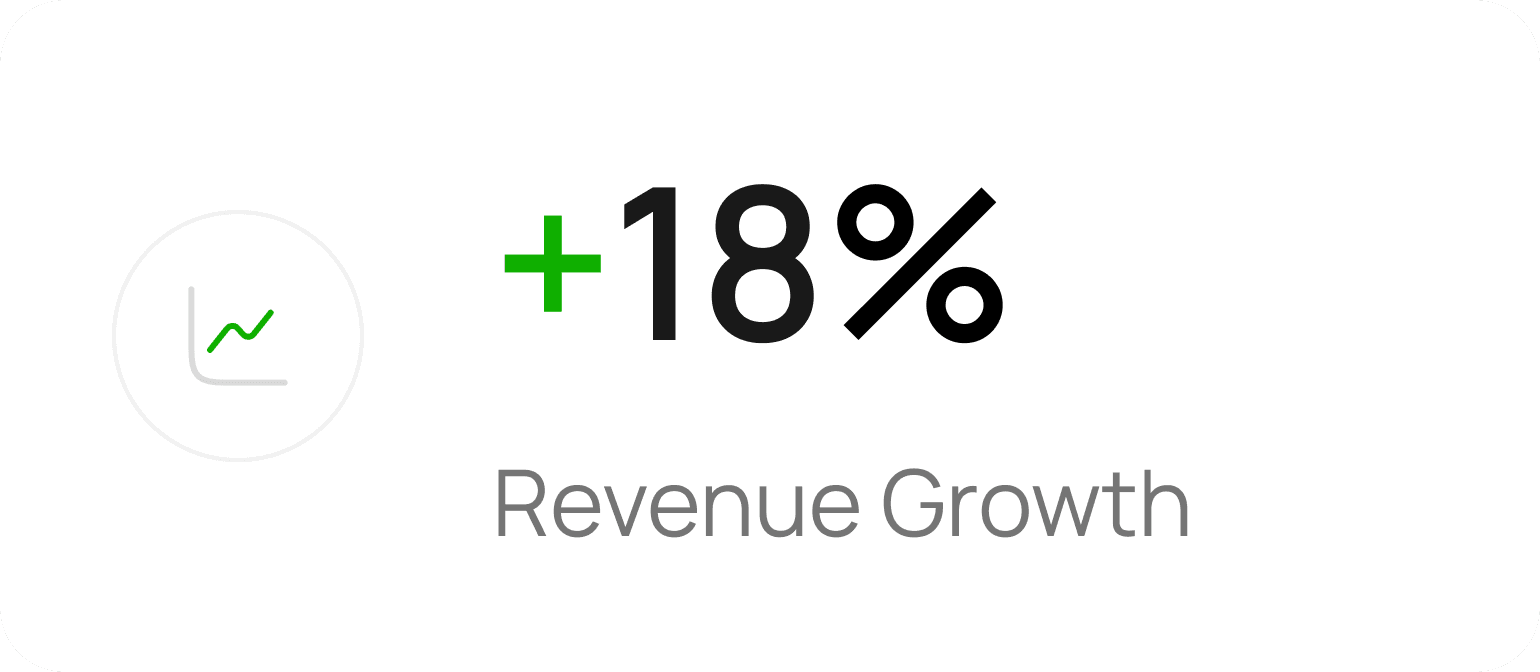
+44% Resident Engagement • +38% broker efficiency • +18% revenue increase

Overview
Omniyat is one of the UAE's leading luxury real estate developers, managing a portfolio of ultra-premium residential properties.
The company approached AKQA to redesign its digital presence, modernize the luxury brand experience, and increase qualified property inquiries.
As discovery progressed, it became clear that the website was only one touchpoint within a broader ecosystem connecting buyers, brokers, and residents. I proposed expanding the scope beyond marketing into a connected product ecosystem.
The Problem
Customer Challenges
Property discovery lacked personalization and guided decision-making
Booking viewings required offline coordination
Property purchase and financing journeys were fragmented
Operational Challenges
Brokers managed customer interactions across disconnected systems
Residents relied on separate channels for property services and smart-home interactions
Customer context was lost between discovery, sales, and ownership phases
Role & Ownership
Team
Lead Product Designer · 3 Product Designers · Engineering Team · PM
My Role
I led a team of three Product Designers, defining the product vision, coordinating design execution, and aligning stakeholders across business, marketing, sales, and technology teams.
My Contribution
Led product vision across the ecosystem
Managed a team of 3 designers
Drove stakeholder workshops and future-state strategy
Designed the website experience end-to-end
Defined the broker platform vision
Expanded the project scope from a website redesign into a multi-product ecosystem
System Complexity
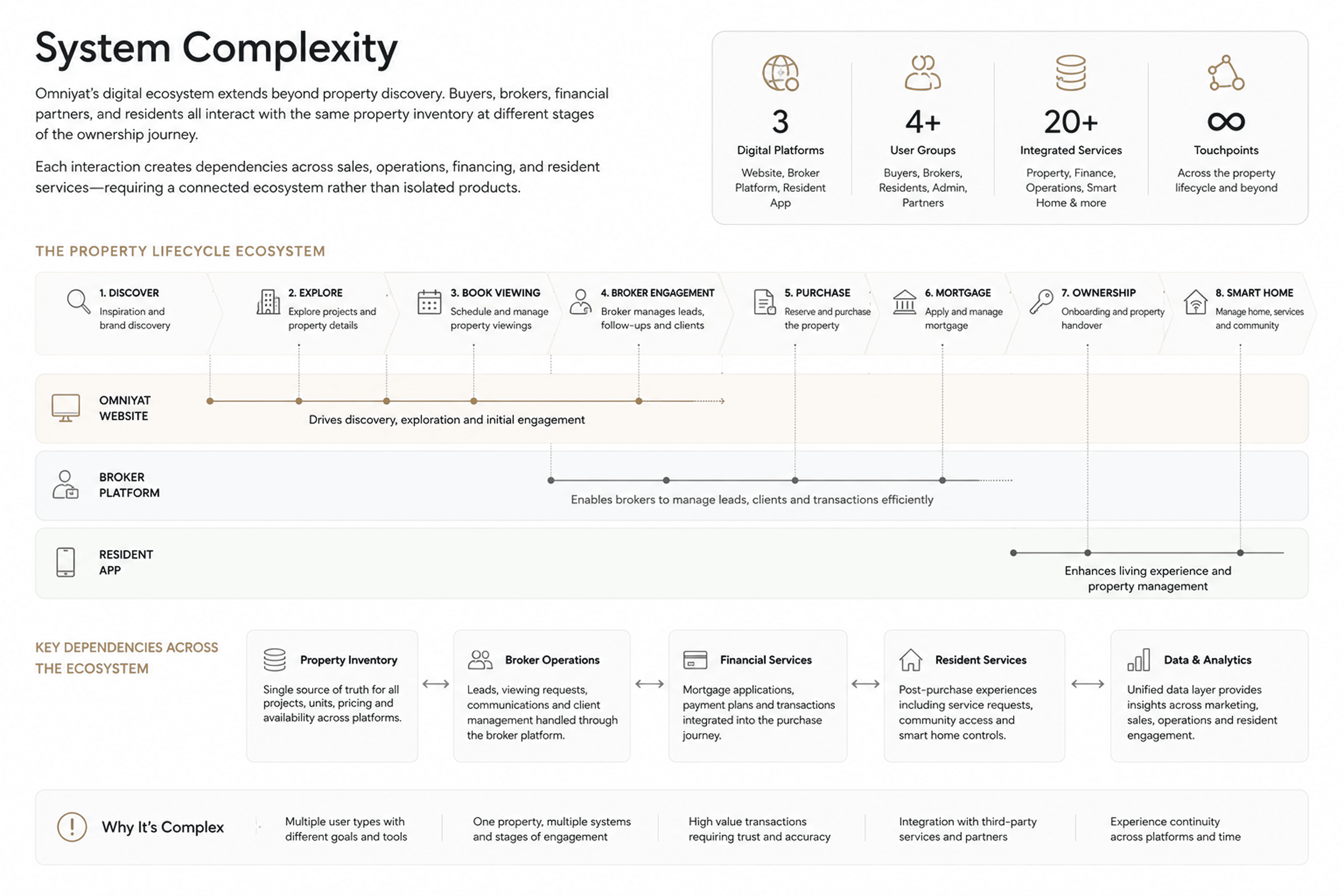
What started as a website redesign quickly revealed a broader ecosystem challenge. Property discovery, broker operations, financing, transactions, and resident services were operating across disconnected touchpoints, creating friction throughout the ownership journey.
Solving the problem required designing a connected ecosystem rather than optimizing a single product.
Research & Discovery
Before defining solutions, I needed to understand the full system — users, operations, and the gaps between them
Stakeholder Alignment
Goal: Understand how marketing, sales, brokers, and resident services define success.
Key Finding: Every department was optimizing a different stage of the customer journey, creating disconnected experiences across discovery, sales, and ownership.
Outcome: Established a shared ecosystem vision that aligned business objectives across teams.
Customer Journey Mapping
Goal: Map the end-to-end journey from property discovery to long-term ownership.
Key Finding: Users experienced multiple context breaks when moving between website browsing, broker interactions, financing, and post-purchase services.
Outcome: Identified opportunities for a connected experience across all ownership stages.
Broker Workflow Analysis
Goal: Understand how brokers manage leads, appointments, property inventory, and customer relationships.
Key Finding: Brokers relied on fragmented tools and manual processes, creating inefficiencies in lead qualification and property management.
Outcome: Defined the opportunity for a dedicated broker platform supporting the entire sales process.
Ecosystem Opportunity Assessment
Goal: Evaluate future-state opportunities beyond the website redesign brief.
Key Finding: The highest business impact would come from connecting customer, broker, and resident experiences rather than optimizing a single touchpoint.
Outcome: Expanded the project scope from a marketing website into a multi-product ecosystem including the Website, Broker Platform, and Resident App.
Key Design Decisions
The challenge wasn't redesigning a website. It was creating a scalable ecosystem that connects property discovery, broker workflows, and resident experiences across the full ownership lifecycle.


Omnichannel Experience
Each interface adapts to user context — from remote planning to on-site execution — while maintaining a consistent decision model.
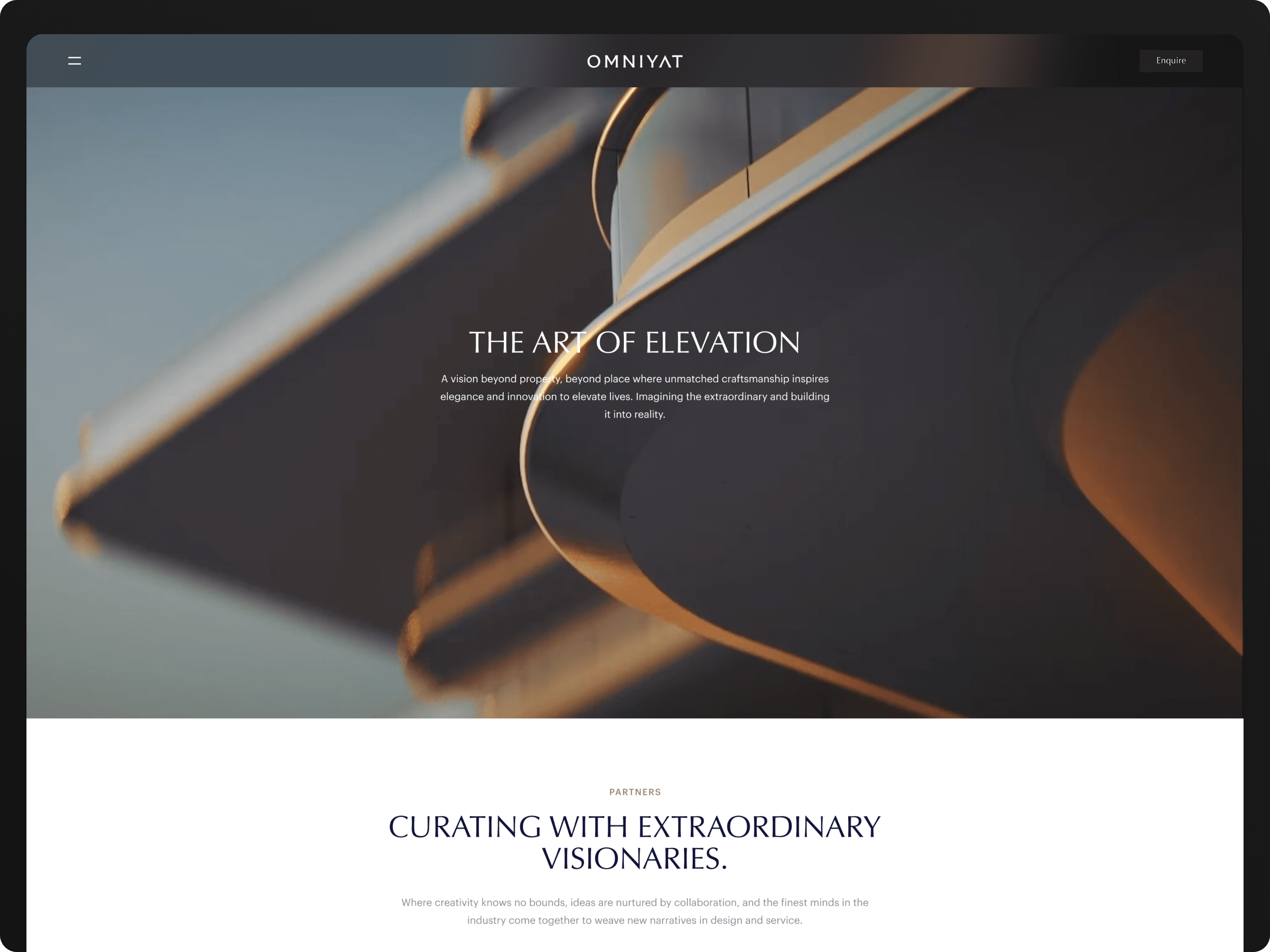
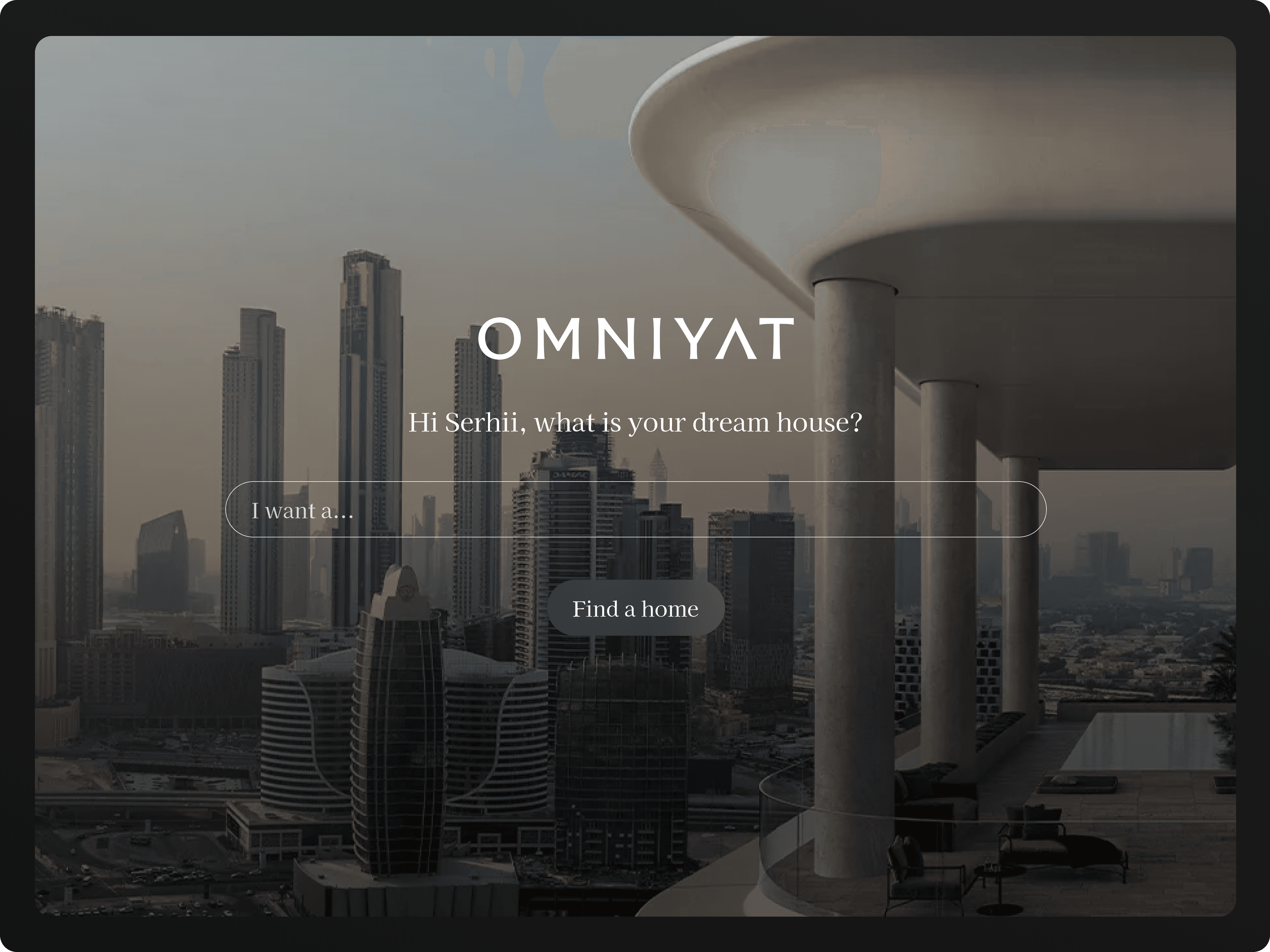

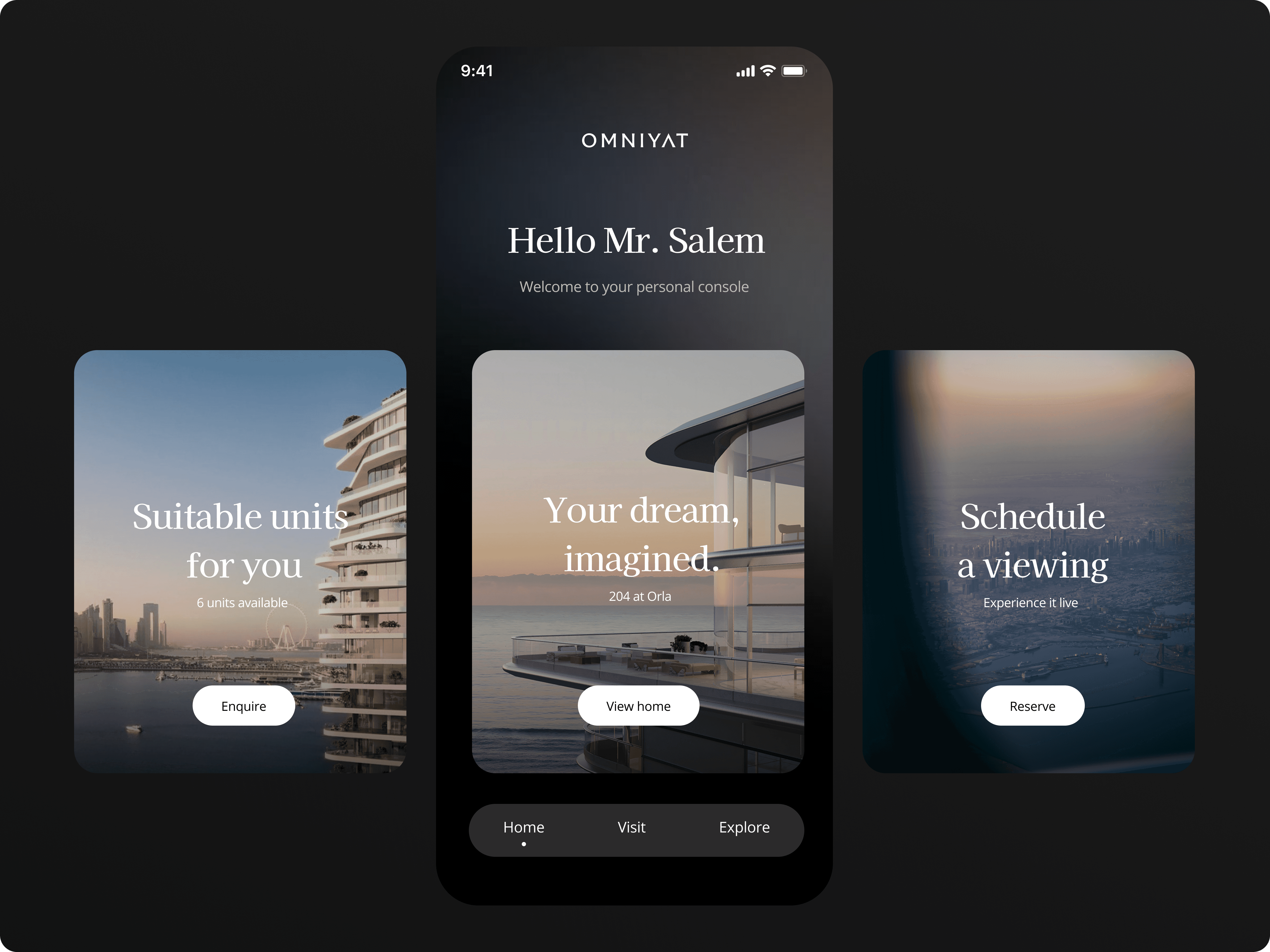

The system design principles were translated into a unified design language, ensuring that complex operational logic could be expressed through clear, consistent interfaces across all touchpoints.
Design System
To support a growing real estate ecosystem, I established a shared design language that unified the website, broker platform, and resident applications while preserving the premium Omniyat brand experience across every touchpoint.
Key Design Principles:
One brand, multiple products
Created a scalable design foundation that allowed different products to feel connected while addressing distinct user needs across discovery, sales, and ownership.Premium by default
Defined interaction, motion, typography, and visual principles that reinforced Omniyat’s luxury
positioning across all digital experiences.Consistency at scale
Standardized components, patterns, and behaviours to accelerate design delivery
and reduce inconsistencies between teams.Designed for growth
Built a flexible foundation that enabled future products and services to be added without reinventing core experiences.
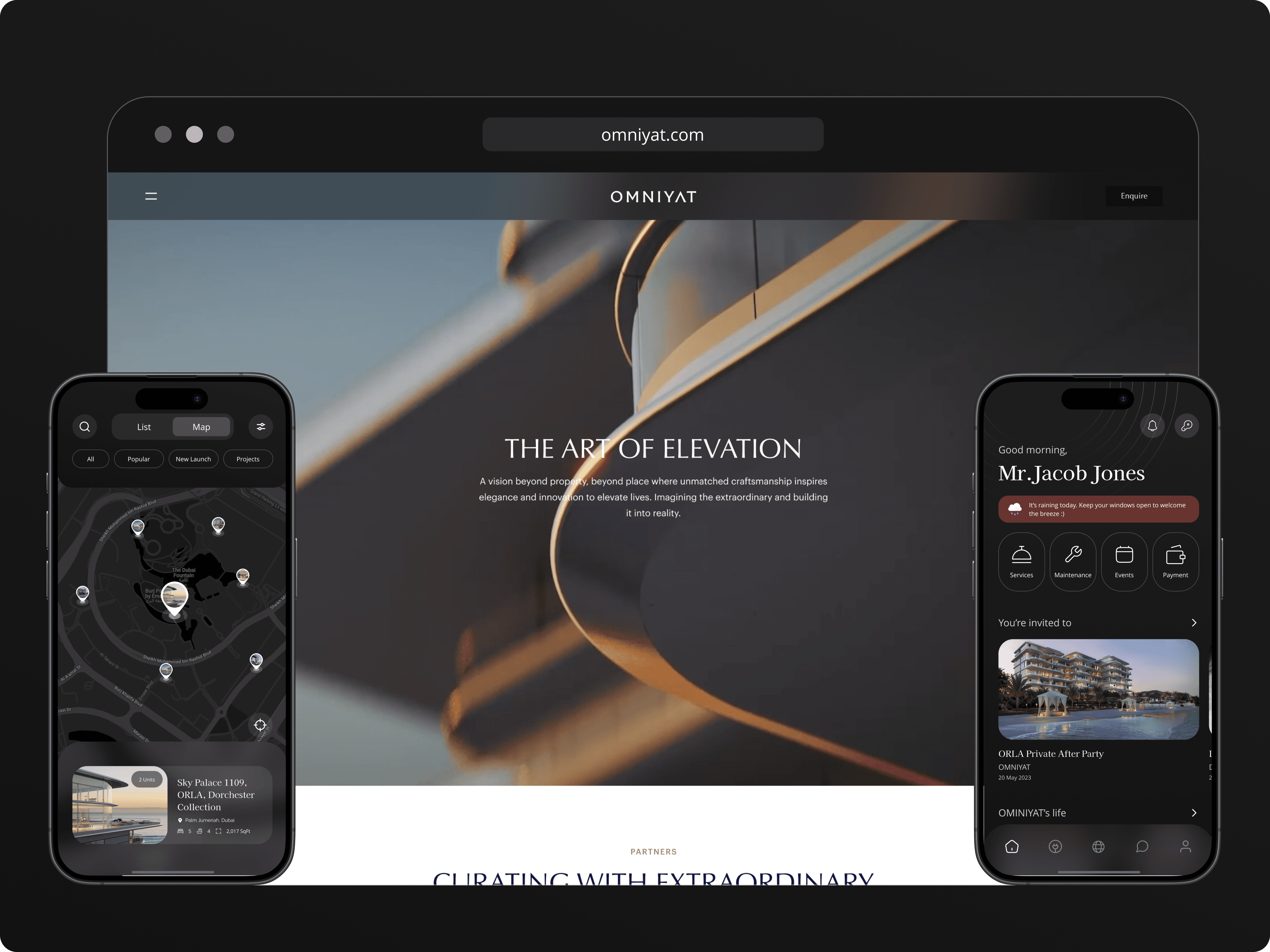

This ensured that the modular service model could scale consistently across markets — without breaking the user experience or operational logic.
Accessibility & Exclusive Design
Luxury experiences often prioritize aesthetics at the expense of usability. The challenge was to create an experience that felt exclusive and aspirational while remaining intuitive, accessible, and easy to navigate for a diverse audience of buyers, investors, residents, and brokers.
Key principles embedded into the experience:
Clarity within complexity — Simplified high-value property information, pricing, and ownership details into digestible experiences that supported confident decision-making.
Accessible luxury — Balanced premium visual design with strong hierarchy, readability, and interaction clarity without compromising the brand's elevated aesthetic.
Inclusive property discovery — Designed experiences that catered to both first-time buyers and experienced investors, providing multiple pathways based on user intent and familiarity.
Consistency across touchpoints — Maintained a cohesive experience across website, broker platform, and resident applications, reducing friction throughout the ownership journey.

What didn't work
A website alone couldn't solve the business problem
Our initial direction focused on redesigning the marketing website to better showcase properties and increase lead generation.
As we mapped the customer journey, it became clear that many of the biggest friction points existed beyond the website itself. Prospective buyers struggled to transition from discovery to broker engagement, while brokers relied on fragmented tools to manage leads, appointments, and property inventory.
Improving the website would have enhanced the first touchpoint, but it wouldn't address the operational inefficiencies that affected conversion further down the funnel.
This insight led me to challenge the original scope and propose a broader ecosystem approach that connected property discovery, broker workflows, and resident services into a unified experience.
Looking back, expanding the problem space beyond the website became the most important decision of the project.
Final Impact
What started as a luxury website redesign evolved into a connected real estate ecosystem spanning property discovery, broker operations, and resident services — creating measurable value across acquisition, sales, and ownership.
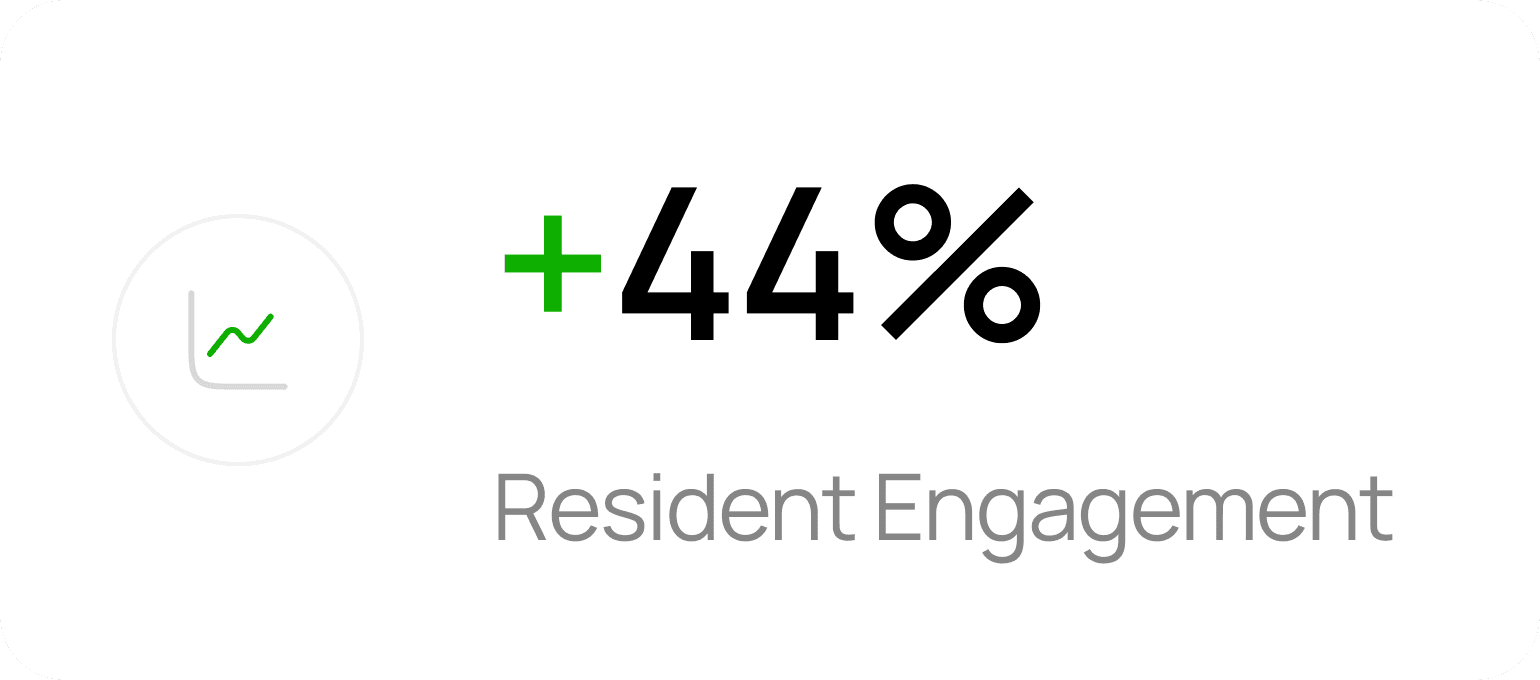
Ownership Experience
The introduction of resident services, payments, and smart home capabilities resulted in a 44% increase in resident engagement, extending value beyond the initial property purchase.
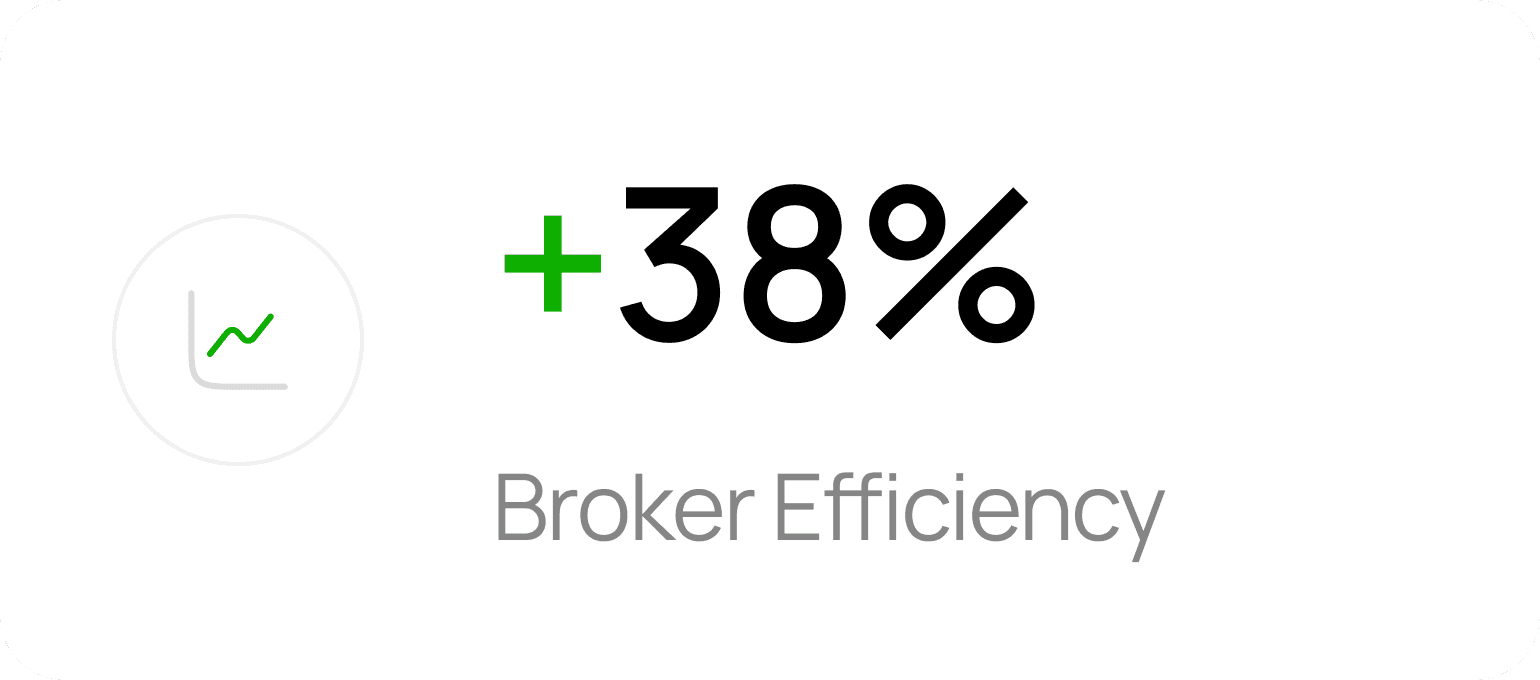
Sales Enablement
We improved broker efficiency by 38% by centralizing lead management, inventory visibility, appointment scheduling, client communication, and deal progression into a dedicated platform.
Business Growth
By connecting property discovery with broker workflows and ownership services, the ecosystem contributed to an 18% increase in revenue, reducing friction throughout the buyer journey.